
What to Expect on a Submersible or ROV Dive
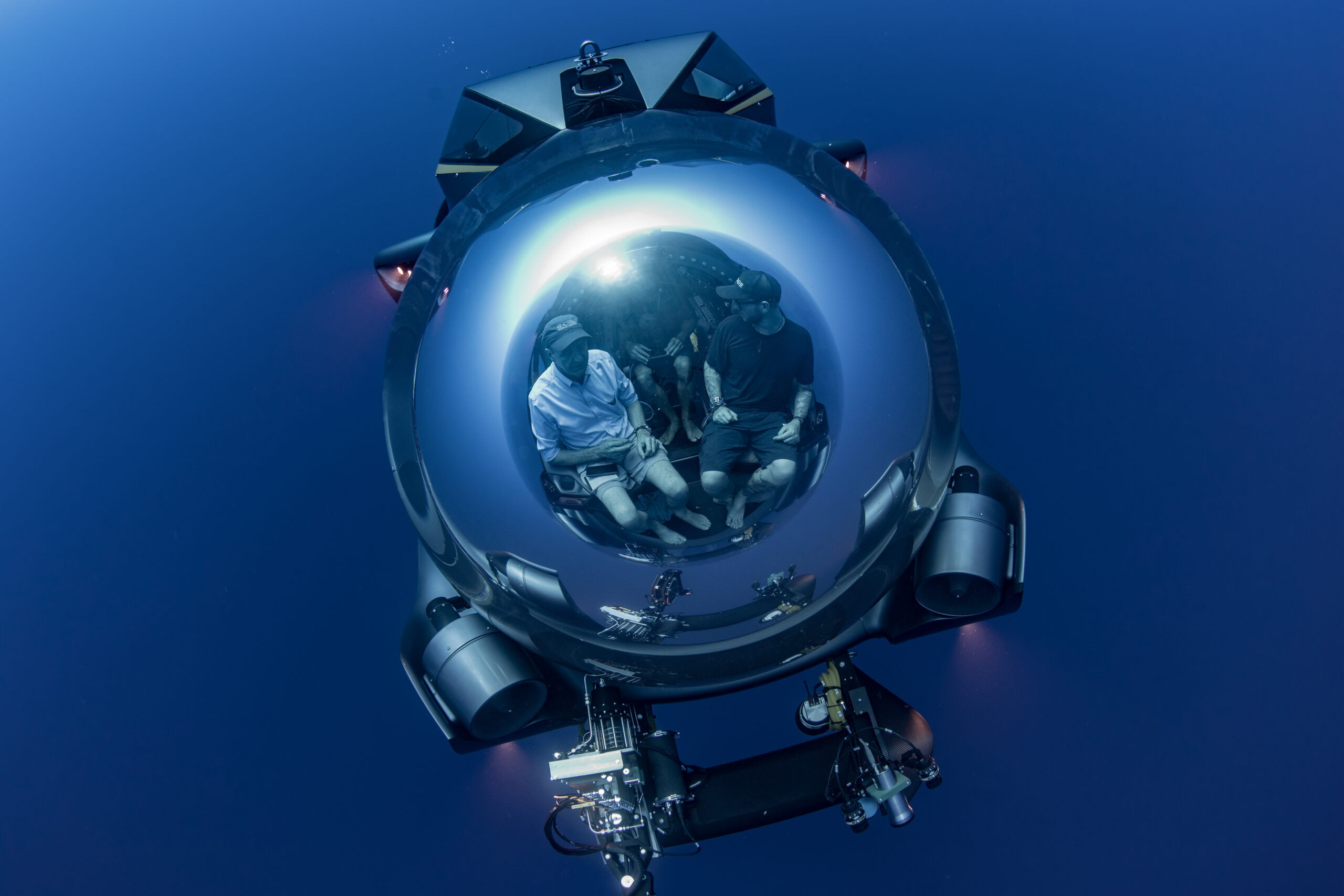
Few things spark more questions than the idea of riding a small submarine below the surface, or watching live pictures from a robot exploring the sea floor. Submersible and ROV experiences are part of the future CAC is working towards. They are planned and depend on approvals, partners, vessels and conditions, so please treat this post as a general guide rather than a description of a trip you can book today. Here is what these experiences typically involve.
Submersible or ROV: what is the difference?
A passenger submersible is a small, purpose-built craft that carries a pilot and a few guests below the surface, usually inside a clear acrylic sphere or with large viewports. It is launched from and supported by a surface vessel.
An ROV, or remotely operated vehicle, is an uncrewed underwater robot connected to the surface by a tether. A trained pilot drives it from the support ship while everyone watches the live video feed. ROVs can go places and stay down for durations that would be impractical for people, and they let a whole group share the experience together on screens.
Both have their magic. A submersible puts you in the water column, surrounded by the colour and life. An ROV lets you follow the action in real time, ask questions and see details up close.
Before the dive
Expect a thorough briefing. Responsible operators explain the craft, the dive plan, communication between the pilot and surface team, emergency procedures and what you can and cannot touch. You will usually be asked about health factors such as claustrophobia, recent illness, and anything that affects your comfort in confined spaces. Be honest; it is about your comfort and safety, not about being judged.
Dress in comfortable, layered clothing and soft-soled shoes. Inside a submersible, temperatures can drop as you descend, so a warm layer helps. Photographers should ask about camera rules; most operators allow cameras without flash or with restrictions.
Launch and descent
Launching is a carefully choreographed process that the crew handles. Once you are seated and the hatch is secured, the craft is lowered into the water and the descent begins. The first surprise for most people is how calm it feels: once below the surface swell, motion fades. The second is the light. Colours change quickly with depth, warm reds and oranges disappear first, and the blue deepens until the craft's lights take over.
What you might see
In cold North Atlantic waters, guests on dives elsewhere have described kelp and rocky reefs, sea anemones, sea stars, crabs, schools of fish and, occasionally, curious seals near the surface. Deeper water can reveal soft corals, sponges and creatures adapted to the dark. Nothing is guaranteed, and that is part of the appeal: every dive is different.
Shipwrecks hold special interest, and they carry special responsibility. In Canada, wrecks and their contents can be protected heritage and may also be grave sites. Respectful operators look but do not disturb, follow permits and laws, and never remove artifacts.
Comfort and safety
Passenger submersibles are designed with redundant systems, life-support reserves and constant communication with the surface. Pilots are trained and certified, and dives are planned around weather and sea state. If conditions are not right, the dive is postponed. That decision is always the right one, even when it is disappointing.
If you are nervous about tight spaces, an ROV experience can be a wonderful alternative. You stay on deck or in a warm control room while still seeing the sea floor live.
After the dive
Most guests come back up buzzing. Debriefs are a great time to look back at footage, ask the pilot questions and learn more about what you saw. It is also a good moment to think about the ocean itself: how little of it has been explored, and why protecting it matters.
Learn more
You can read about our ocean technology interests on our submersible expeditions page. If you would like to be kept in mind when submersible or ROV experiences become available, tell us what interests you.
Thinking about a trip with us? Send a request through our booking request form and the CAC Team will get back to you. Prefer email? Write to info@cacsd.ca.