

The Newfoundland Coastal Expedition Packing List
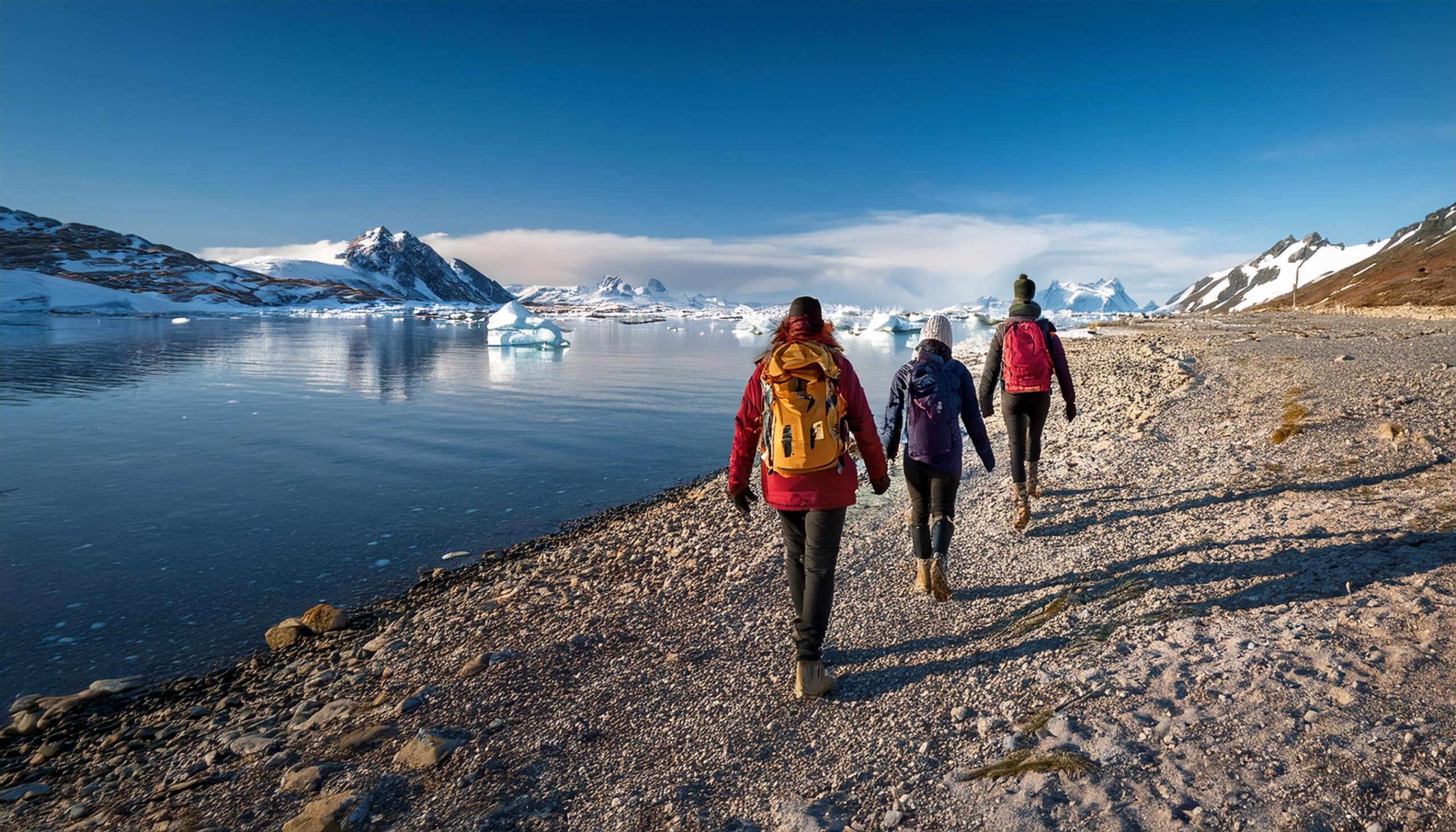
Packing for a coastal expedition in Newfoundland comes down to one idea: be ready for four seasons in a single day. Fog, sun, wind and drizzle can all show up before lunch. The trick is not to bring more stuff, but the right stuff, organized so you can add or shed layers quickly. Here is the list we give our own team.
The layering system
Think in three layers, and avoid cotton next to your skin. Cotton holds water and pulls heat from your body when it gets wet.
- Base layer: merino wool or synthetic top and bottoms. One set to wear, one spare.
- Mid layer: a fleece or light insulated jacket, plus a warmer puffy (down or synthetic) for evenings and boat time.
- Outer layer: a genuinely waterproof, windproof jacket with a hood, and waterproof over-trousers. This is the most important item on the list.
Hands, head and feet
- Warm hat or toque, plus a sun hat or cap.
- Two pairs of gloves: a light pair and a warm, ideally waterproof pair. Wet gloves are miserable, so a spare pair is worth it.
- Neck gaiter or buff for wind on deck.
- Waterproof hiking boots that are already broken in. New boots on day one are a recipe for blisters.
- Wool socks, more pairs than you think you need.
- Camp shoes or sandals for evenings.
On the water
- Your lifejacket or PFD will normally be provided and fitted by the crew; wear it as instructed.
- Sunglasses with a strap. Glare off water and ice is intense, even under cloud.
- Sunscreen and lip balm with SPF. People burn on cool days on the ocean.
- A small dry bag for your phone, camera and snacks.
- Seasickness remedies if you are prone to it. Talk to a pharmacist before your trip about what suits you.
Day pack essentials
- A 20 to 30 litre pack with a rain cover or liner.
- Water bottle (1 litre or more) and a small thermos for something hot.
- High-energy snacks.
- Headlamp with spare batteries.
- Personal first-aid items: blister care, any prescription medication and pain relief you normally use.
- Insect repellent. Blackflies and mosquitoes can be busy inland in early summer.
- Hand warmers for colder outings.
Wildlife watching and photography
- Binoculars. They transform a whale-watching or seabird outing. Eight or ten times magnification works well.
- Camera with a spare battery; cold drains batteries fast, so keep spares in an inside pocket.
- Lens cloth. Spray and drizzle are constant companions.
Documents and practical items
- Government ID and any travel documents.
- Travel insurance details, including emergency contact numbers.
- A list of medications and any allergies, kept with your ID.
- A small amount of cash for places where card readers are unreliable.
- Charging cables and a power bank. Rural cell coverage can be patchy, so download maps and documents ahead of time.
What to leave at home
- Cotton jeans and hoodies for outdoor use. Great for the pub, poor in the rain.
- Hard-sided suitcases if you will be moving between boats or small vehicles. Soft duffels pack much more easily.
- Drones, unless you have checked the rules for the location and spoken with us first. Many wildlife and protected areas restrict them.
- Anything you would be heartbroken to lose overboard.
Packing tips from the field
- Pack each category in its own bag or stuff sack so you can find things quickly in a damp, dim cabin.
- Wear your bulkiest items, such as boots and the warm jacket, when travelling to save space.
- Keep a full change of dry clothes sealed in a bag. You may never need it, but you will be very glad of it if you do.
- If you are unsure about an item, ask us. We are happy to look at a list or suggest what to rent or buy.
One last thing
The best piece of kit is a flexible attitude. Weather will shape some of your days. Come ready to adapt and you will enjoy every version of the trip, including the foggy ones.
Thinking about a trip with us? Send a request through our booking request form and the CAC Team will get back to you. Prefer email? Write to info@cacsd.ca.