
Icebergs and Whales: A Seasonal Guide to Newfoundland’s Coast
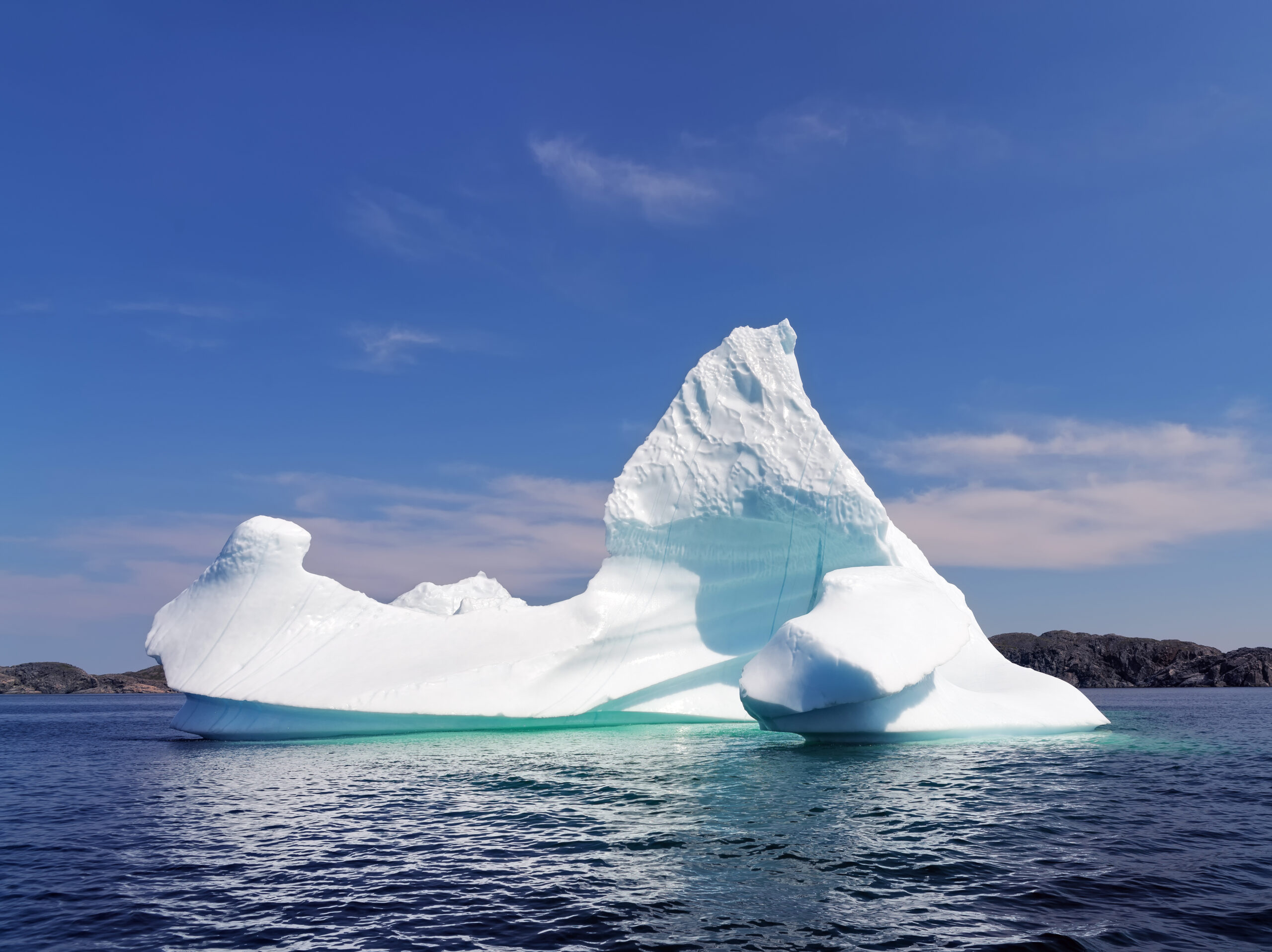
Two questions arrive in our inbox more than any others: "When can I see icebergs?" and "When are the whales here?" The honest answer is that nature runs on its own calendar, and every year is a little different. Still, there are reliable patterns. Here is our season-by-season guide to help you plan.
Iceberg Alley
The icebergs that drift past Newfoundland and Labrador mostly break off glaciers in Greenland. They then travel south on ocean currents for a year or more before reaching the stretch of coast known as Iceberg Alley, which runs along Labrador and down the northeast and east coasts of Newfoundland. Places such as St. Anthony, Twillingate, Bonavista and the Avalon Peninsula are well known for sightings.
Spring: the iceberg season begins
Icebergs can appear as early as late winter and spring, but the main viewing season usually runs from about April or May into June, sometimes into July. Some years bring hundreds of bergs close to shore; others bring very few. Sea ice conditions, winds and currents all play a part.
Tips for iceberg viewing:
- Check up-to-date iceberg reports and local news closer to your travel dates.
- Be flexible about location. Bergs may be thick in one bay and absent from the next.
- Bring binoculars and a camera with some zoom.
- Keep a safe distance; icebergs can roll or calve without warning.
Early summer: capelin, birds and the first whales
In late June and July, small fish called capelin come close to shore to spawn. This is one of the great events of the Newfoundland year, because it draws in predators. Seabirds such as puffins, murres and gannets are busy raising chicks in their colonies, and whales follow the food inshore.
Summer: whale season peaks
Humpback whales are the stars of summer, with the best viewing usually from about June to August, often peaking in July. Minke whales and fin whales are also seen, along with dolphins and porpoises. On lucky days, you can see icebergs and whales on the same outing in early summer, particularly along the northeast coast.
Tips for whale watching:
- Morning outings are often calmer; mornings and evenings can both be good for light.
- Dress warmly. It is cooler on the water than on land.
- Be patient. Whales surface on their own schedule, and the waiting is part of the experience.
- Keep your eyes on the horizon for blows, the misty spouts that give whales away from a distance.
Late summer and early autumn: settled days
August and September often bring some of the most settled weather of the year, with warmer days on land and quieter places as visitor numbers drop. Whale sightings can continue into September in some areas, and seabird colonies begin to empty as young birds leave. Autumn also brings colour to the barrens and berry-picking season.
Late autumn and winter
From October onwards, conditions on the water become more changeable and many seasonal tours wind down. Winter brings its own beauty, including sea ice off the north and pack ice in some years, but it calls for specialized planning and experienced operators. If you are interested in a cold-season experience, speak to us early.
Farther north
Arctic waters follow a different calendar, with a much shorter open-water season, usually in late summer. Narwhals, belugas, polar bears and seabirds may be seen in the right places at the right time. Arctic travel is planned well in advance and depends heavily on ice conditions.
Planning around what you want to see
- Icebergs first: aim for May or June.
- Whales first: aim for July or early August.
- Both: late June into early July gives you the best chance, though nothing is guaranteed.
- Quiet and settled: consider late August or September.
A note on expectations
Wildlife and ice are never guaranteed. A good operator will tell you honestly what the season looks like and will not over-promise. We will always tell you what is realistic for your dates and what is still planned.
Thinking about a trip with us? Send a request through our booking request form and the CAC Team will get back to you. Prefer email? Write to info@cacsd.ca.