
How to Choose the Right Survival Course
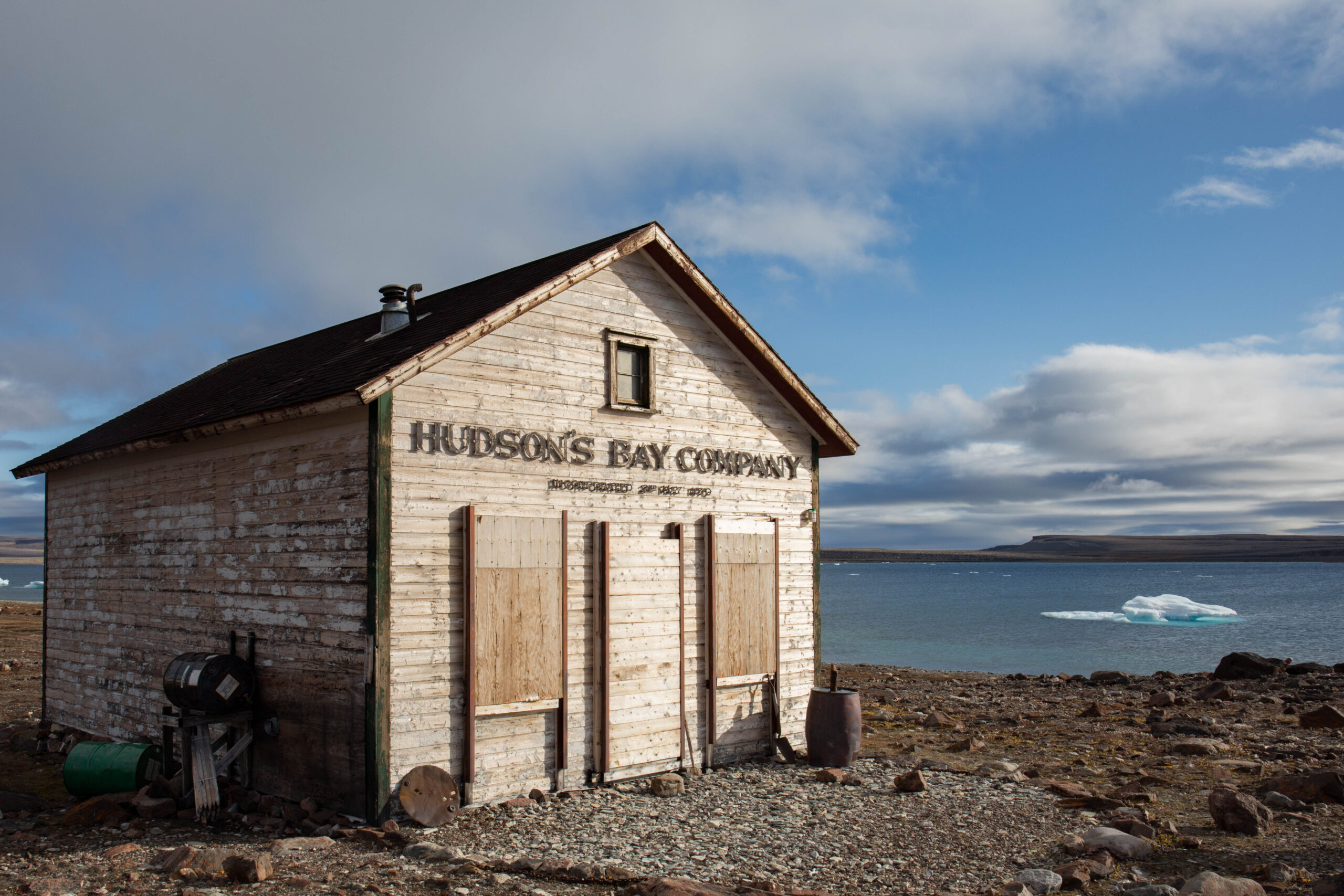
A good survival course does more than teach you to start a fire. It changes how you move through the outdoors: calmer, more observant and better prepared. Canadian Adventure Charters works with our partner RedHawk Survival, which designs and runs the survival courses we recommend. Courses are for adults 19 and over, and registration happens on the RedHawk Survival website. Here is how to work out which kind of course is right for you.
Start with your goal
Survival training covers a wide range. Be clear about why you want it:
- Peace of mind: you hike, fish, hunt or travel in remote places and want to know what to do if things go wrong.
- Skill-building: you love the outdoors and want to get better at shelter, fire, navigation and water.
- Personal challenge: you want to test yourself in a supported environment.
- Work: your job takes you into remote areas and you need practical competence.
Your goal shapes the right length, intensity and focus.
Understand the core skills
Most solid survival programs are built around the same priorities, often taught in this order because this is the order in which they tend to matter in a real emergency:
- Mindset and decision-making: staying calm, assessing the situation and making a plan.
- Shelter and protection from the elements, especially cold, wind and wet.
- Signalling and being found.
- Water: finding it and making it safe.
- Fire: for warmth, morale and signalling.
- Navigation: map, compass and natural cues, plus knowing when to stay put.
- First aid basics for remote settings.
- Food, which matters far less in the short term than most people expect.
A beginner course should introduce these clearly. A more advanced course should let you practise them in harder conditions and for longer.
Match the course length to your experience
A short introductory course is ideal if you are new to the outdoors or want a taster. Multi-day courses let you sleep out, deal with changing weather and build real confidence through repetition. If you have never camped overnight, start shorter. There is no prize for jumping straight to the hardest option.
Be honest about fitness and health
Survival training is physical. You may carry gear, walk on rough ground, kneel to build fires and spend long periods outside in cool, damp weather. Check the course description carefully and share relevant health information with the instructors before you register. Good instructors can often adapt activities, but only if they know in advance.
Look at instructor quality and safety
Ask questions before you sign up:
- What training and experience do the instructors have?
- What is the instructor-to-participant ratio?
- What first aid qualifications and emergency plans are in place?
- How do they handle bad weather?
Clear, confident answers are a good sign. Vague answers are not.
Consider the setting
Newfoundland and Labrador is a superb classroom. The terrain, weather and coastline are real, which means skills learned here travel well. Courses in coastal environments add useful elements, such as cold-water awareness, tides and the effects of wind, that inland courses may not cover.
What to bring
The course provider will send a kit list. Generally expect to need the same layering system we recommend for coastal expeditions: wool or synthetic base layers, warm mid layers, good waterproofs, broken-in boots and spare socks. Bring a notebook. Much of what you learn is worth writing down that evening while it is fresh.
Course format and group size
Small groups mean more time practising and more individual coaching. Ask whether the course is mostly classroom, mostly field, or a mix, and how much hands-on time each participant gets. Survival skills are learned by doing, so the more practice you get with your own hands, the better the skills will stick when you need them.
Our recommendation
If you are unsure, start with an introductory course and see how it feels. Many people come back for a longer course once they discover how satisfying it is to look after themselves outdoors.
Where to find the courses
The RedHawk course line-up runs from introductory to more advanced programs. Courses start once the required approvals are in place. You can read the course rundowns and register on redhawksurvival.ca, which is where all course registrations are handled.
Questions about combining a survival course with a CAC expedition or wellness experience? Send us a note through our booking request form or at info@cacsd.ca.
← Back to all articles